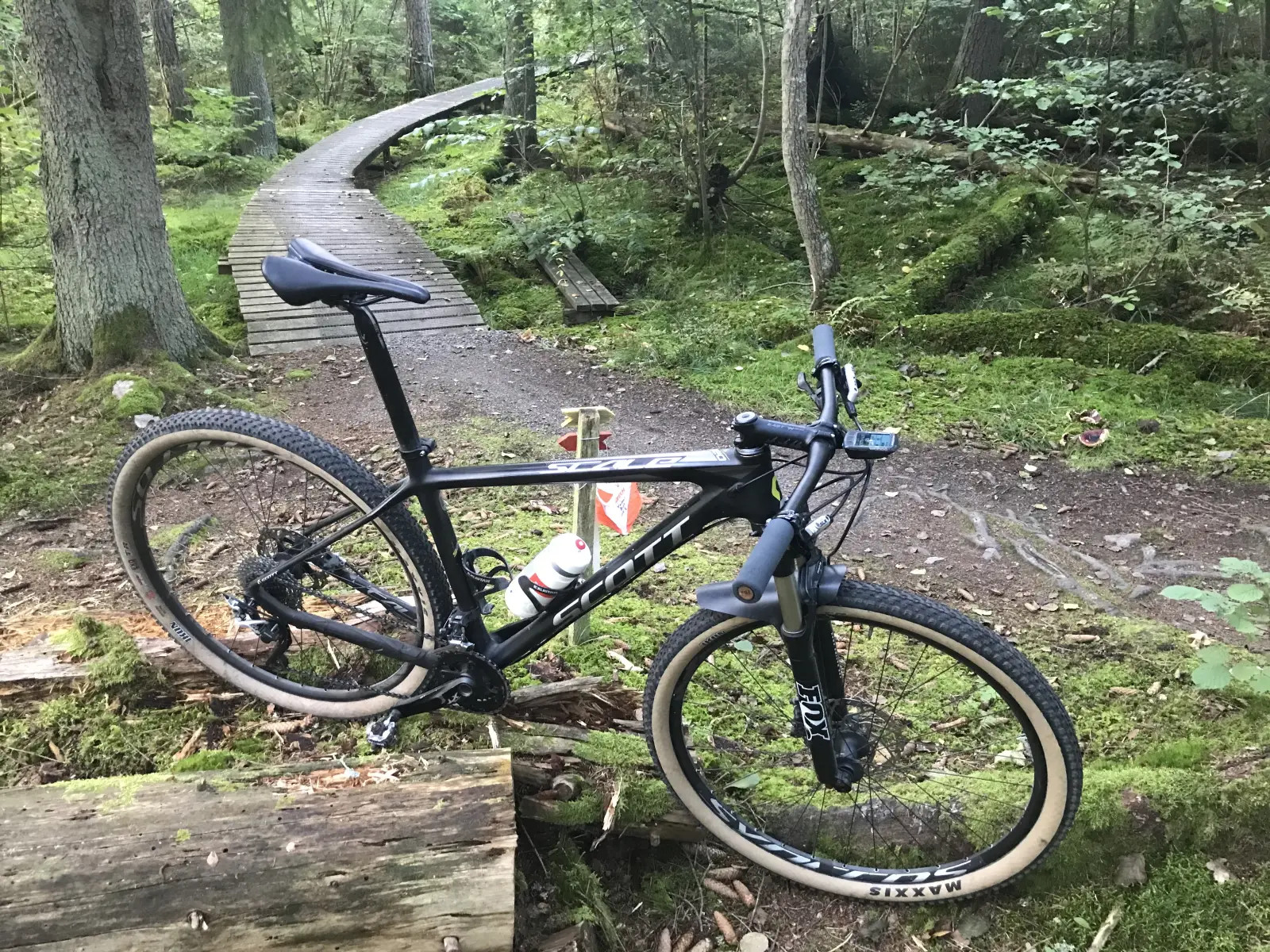
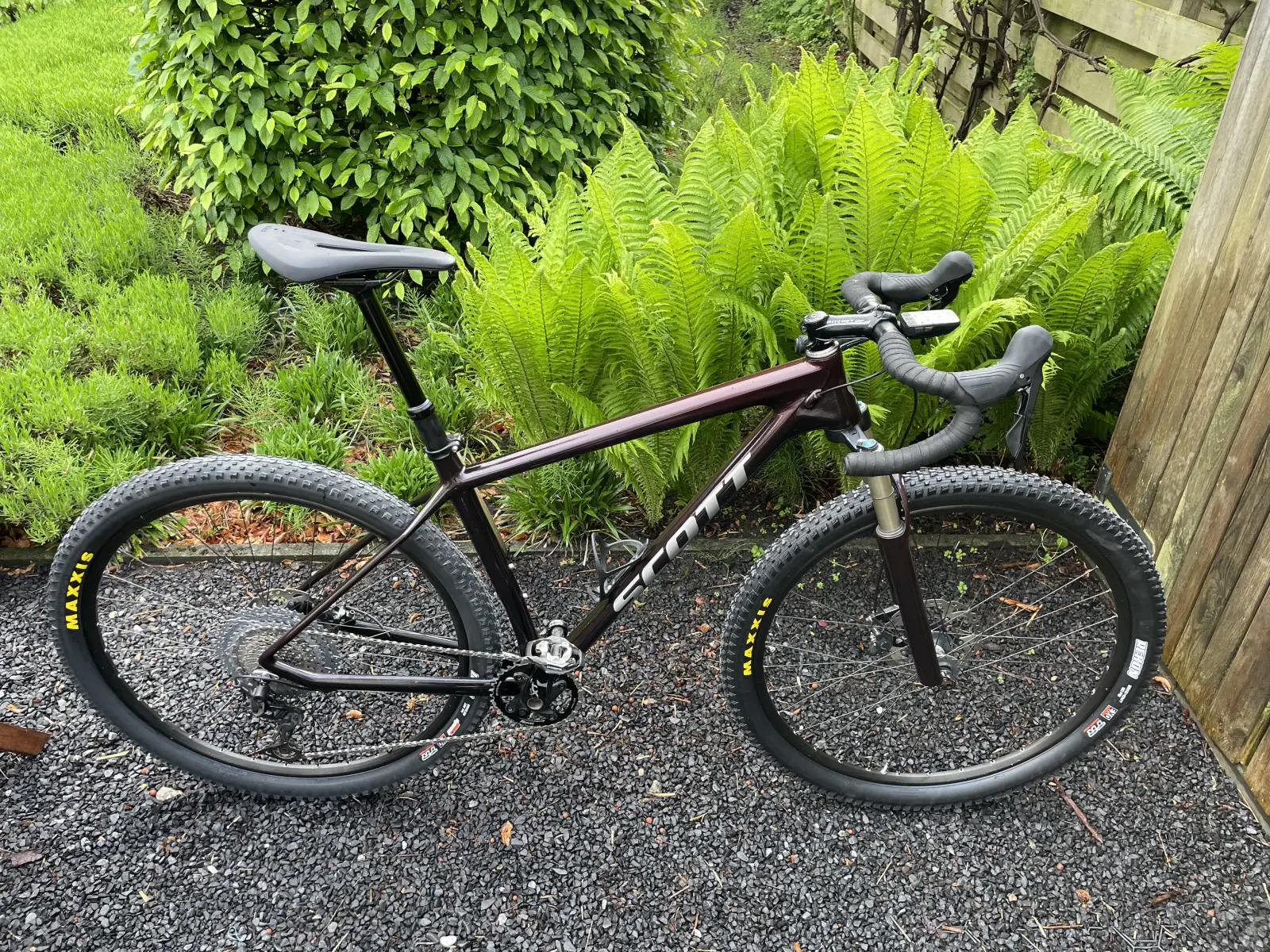
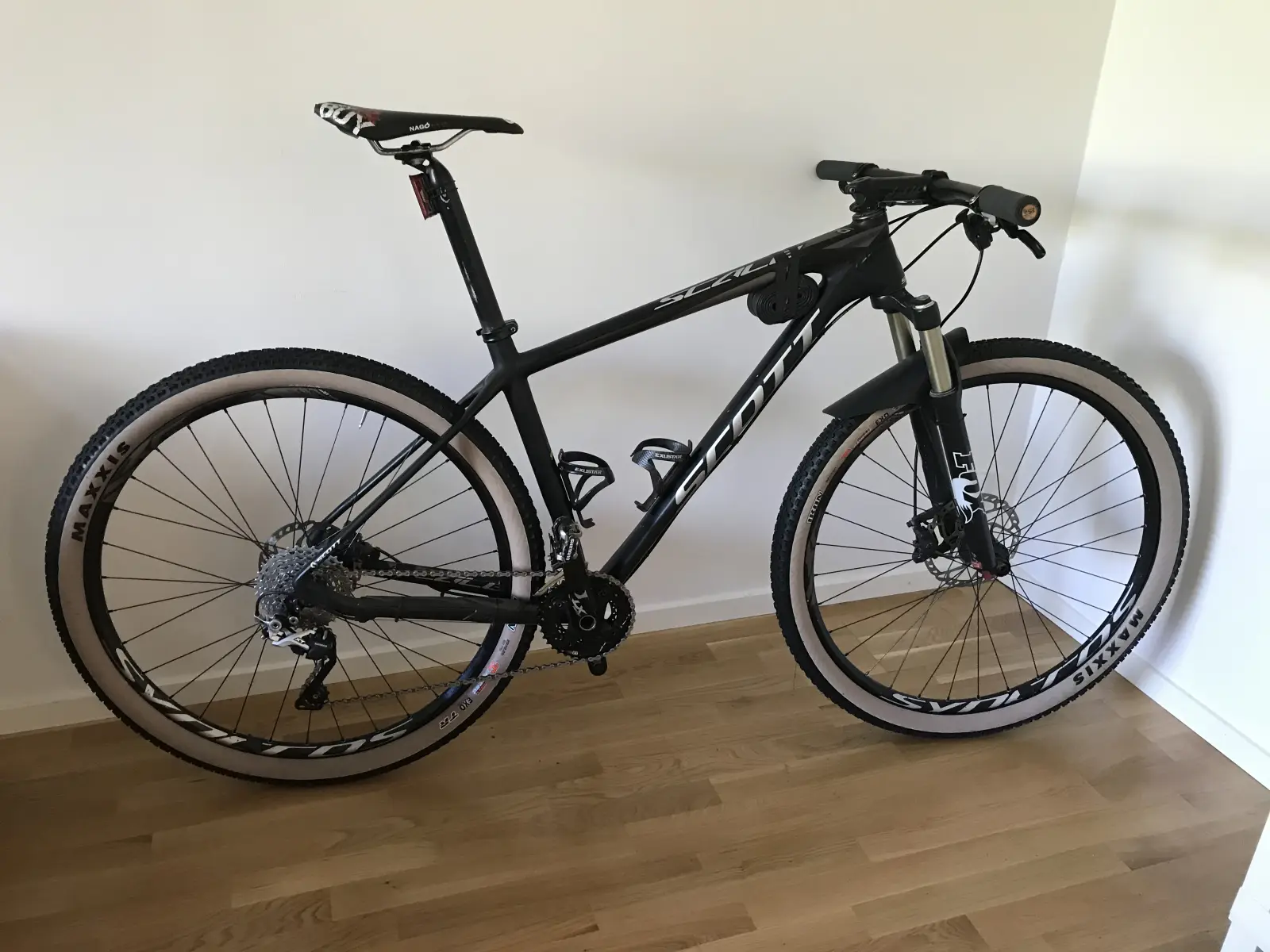
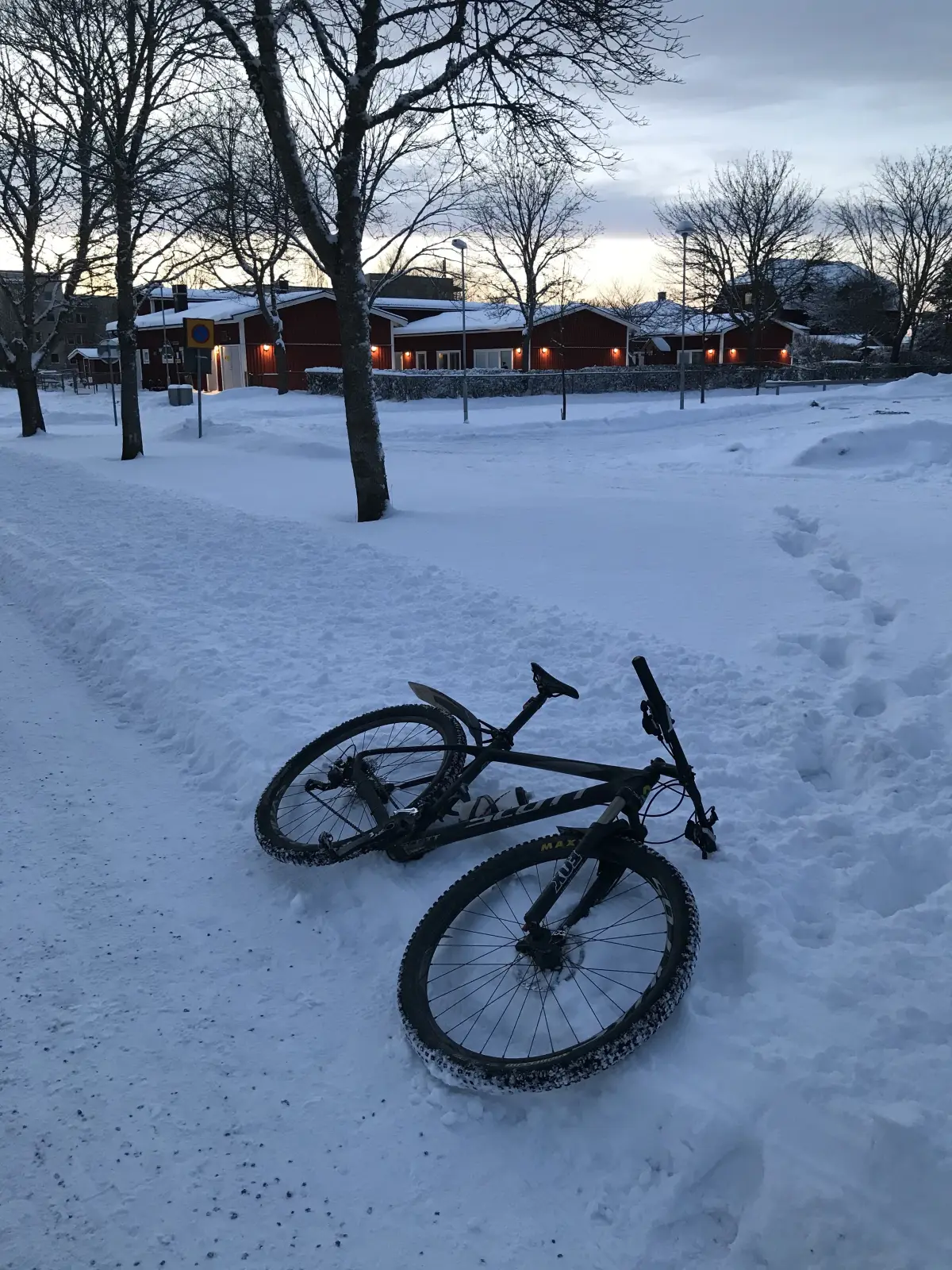
In 2013, I bought my first carbon mountain bike: a Scott Scale 920. Since then, my bicycle collection has expanded and now includes an aluminium 2019 Cannondale Topstone as well as a 2021 Orbea Oiz M10 dual-suspension mountain bike.
With road-like geometry and only 45mm clearance, I find the Topstone to be too road-biased for the more mountain-bike oriented trails I like to ride here in the Netherlands. Now that I have the Oiz, I had the idea to convert my trusty Scott to a bike that would fit into my local gravel weekend group rides while still being capable enough for my local mountain bike trails.
What Inspired Me?
While smoother, flowy trails are no problem for the Topstone, I found myself often bottoming out the rims when riding over roots or more rocky trail sections when going at full-speed. Essentially, I want a gravel bike with wider tyres without needing to use my dual-suspension Oiz with 2.4 inch tyres.
Furthermore, people like Dangerholm have been pushing the boundaries of what the modern bicycle can be turned into, including numerous MTB-to-gravel conversions. More Speed Less Power converted a Scott Scale in exactly the same way in 2023 and even Scott themselves have now released a gravel-specific version of the Scale.
Finally, since I was going to reinvent the bike, I thought it would be a good time to revive the 13-year-old black paintjob as well.
What Changed
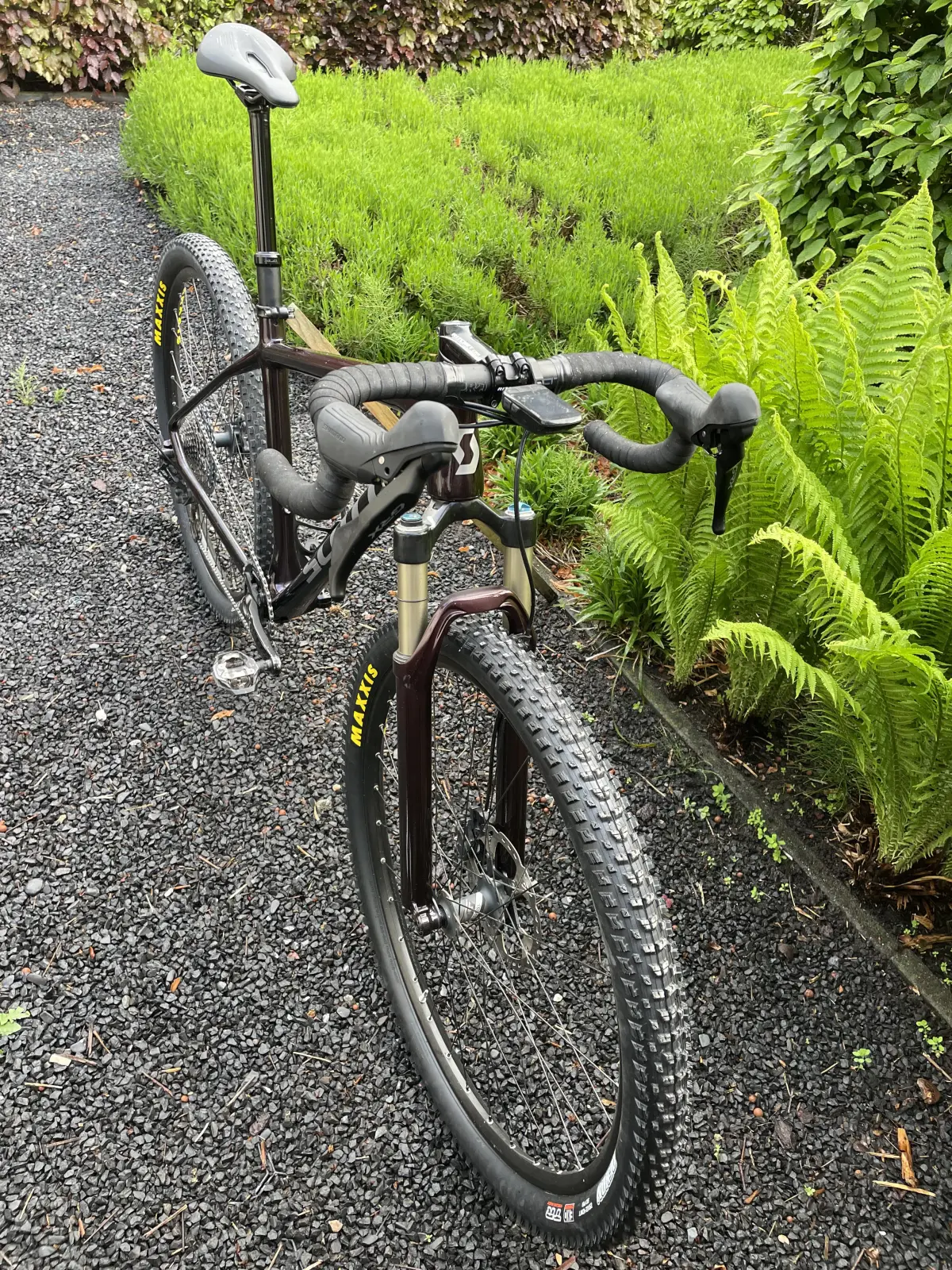
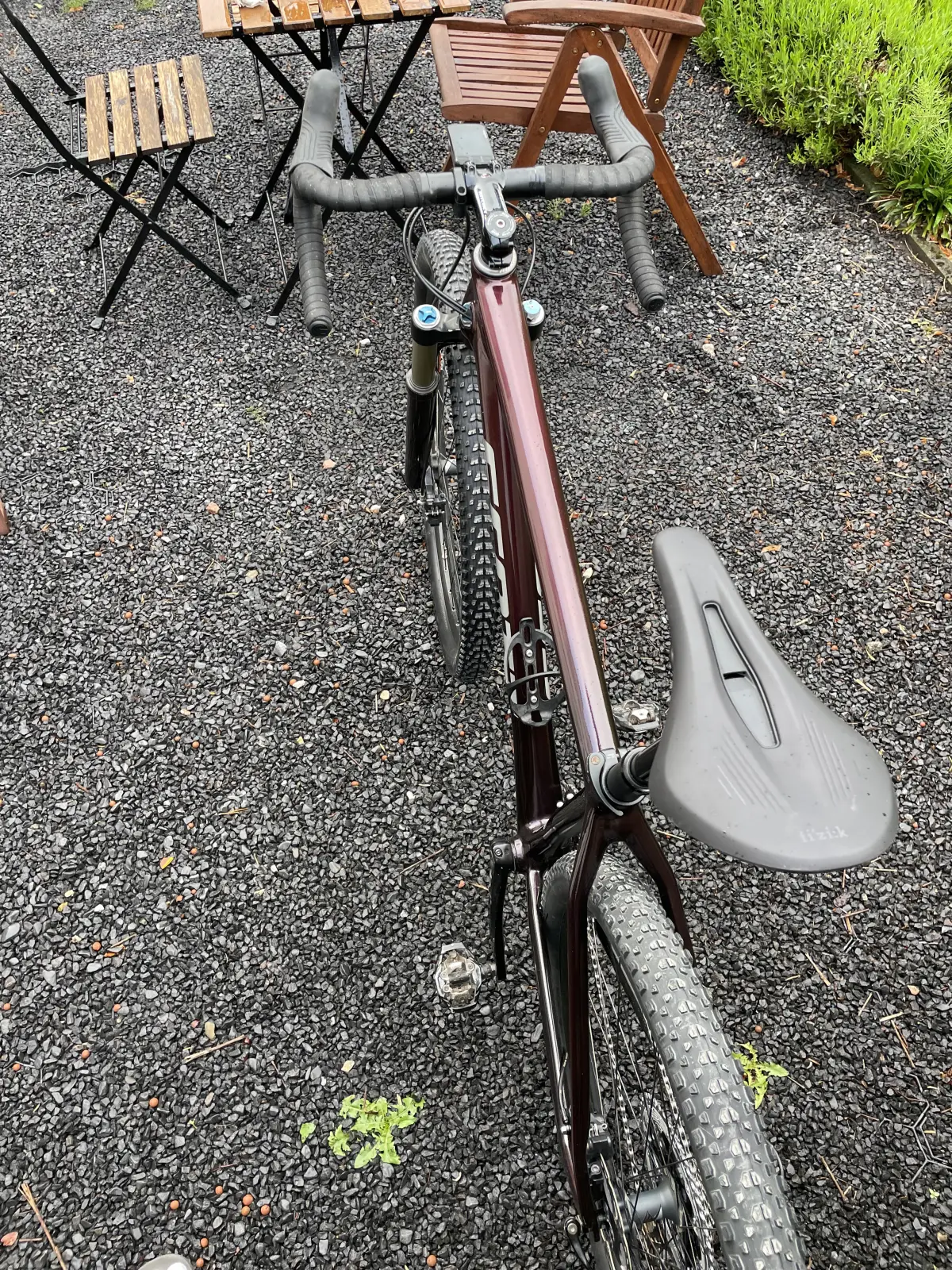
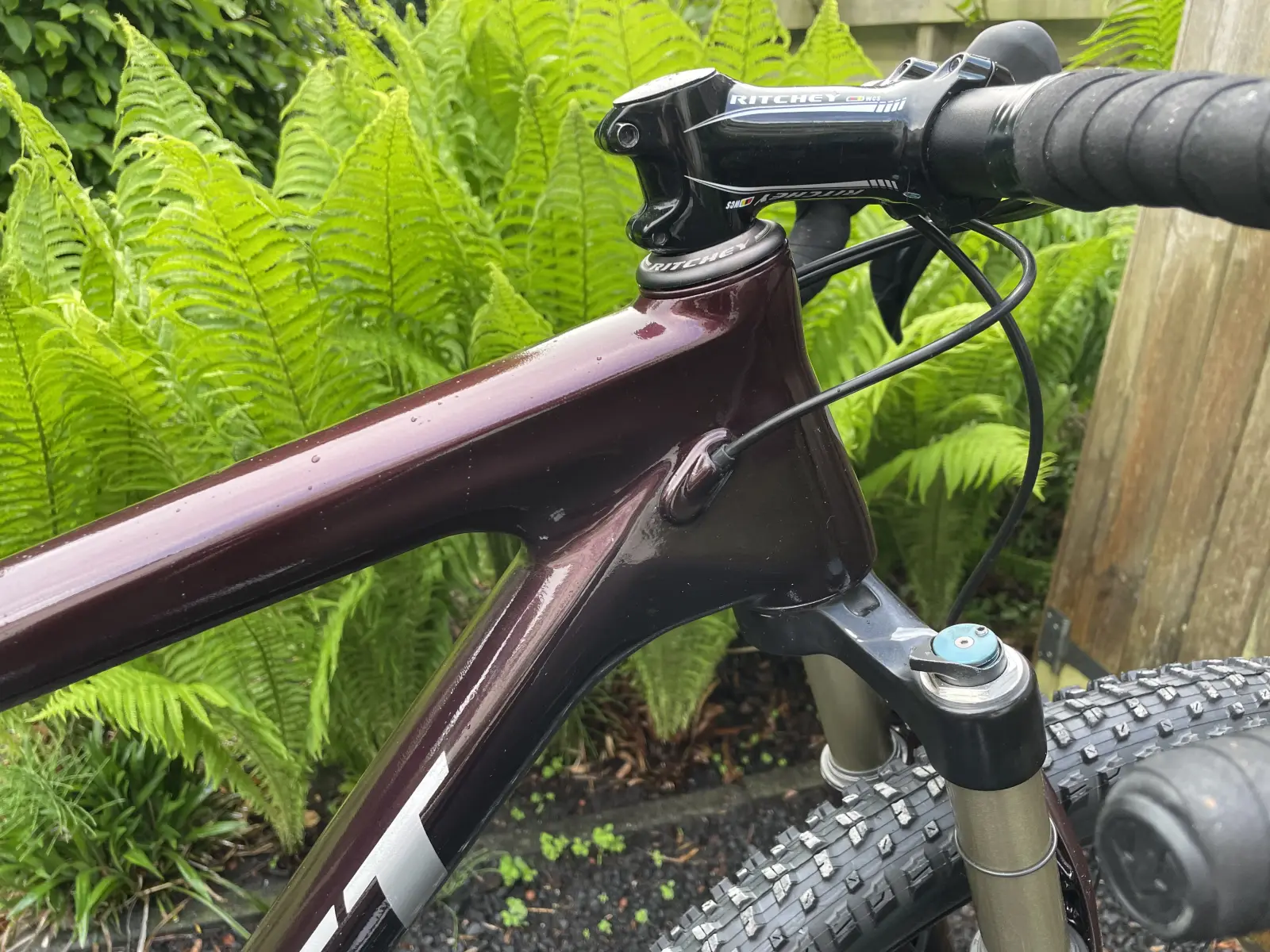
Aside from the new frame colour, which I'll cover in a future note, I made the following modifications:
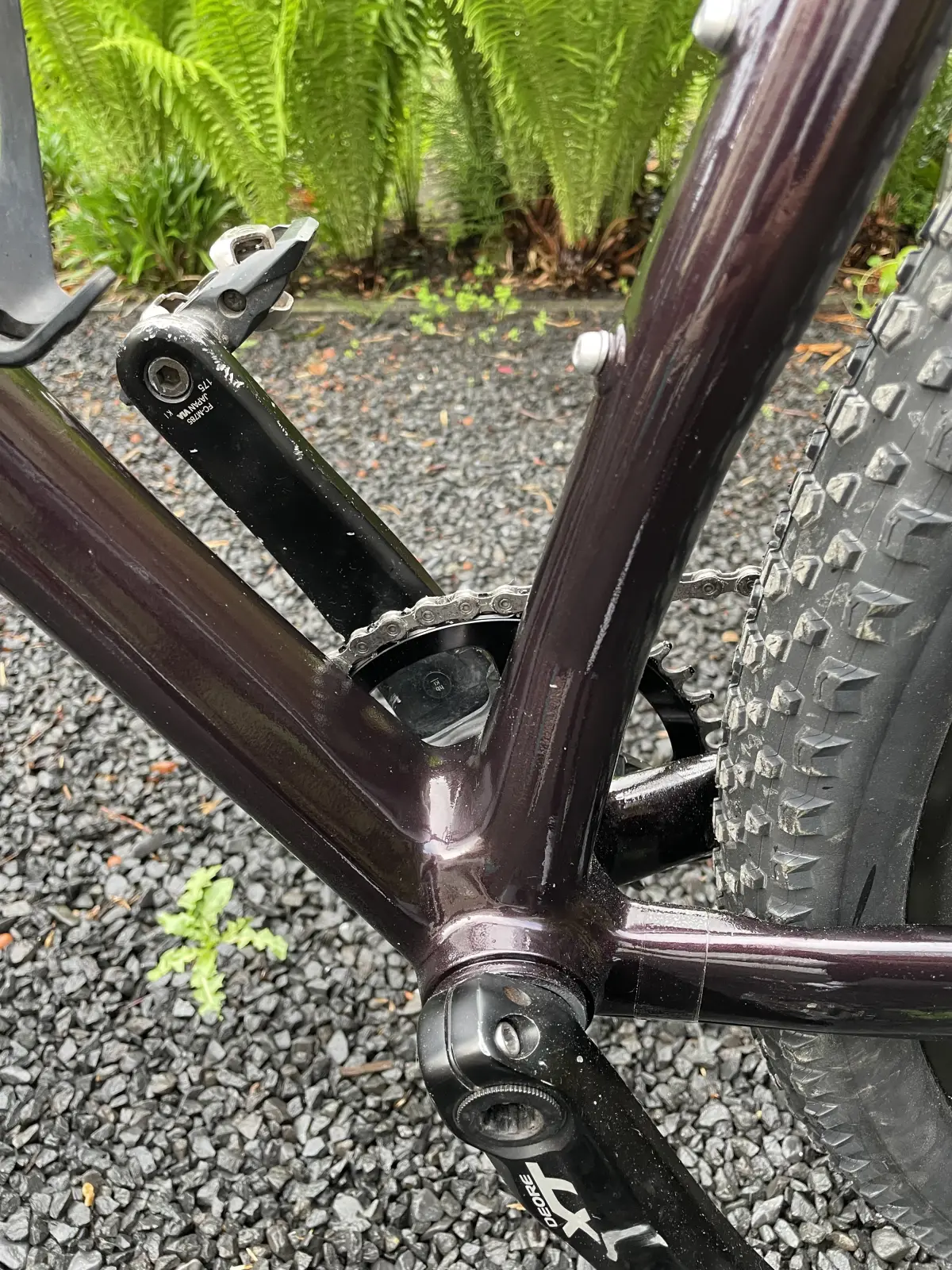
- 1×12 drivetrain — original XT crank with a 38T ring, a modded XT 12-speed mech talking to the GRX road levers, and an 11–51 SunTour cassette on the same HG freehub.
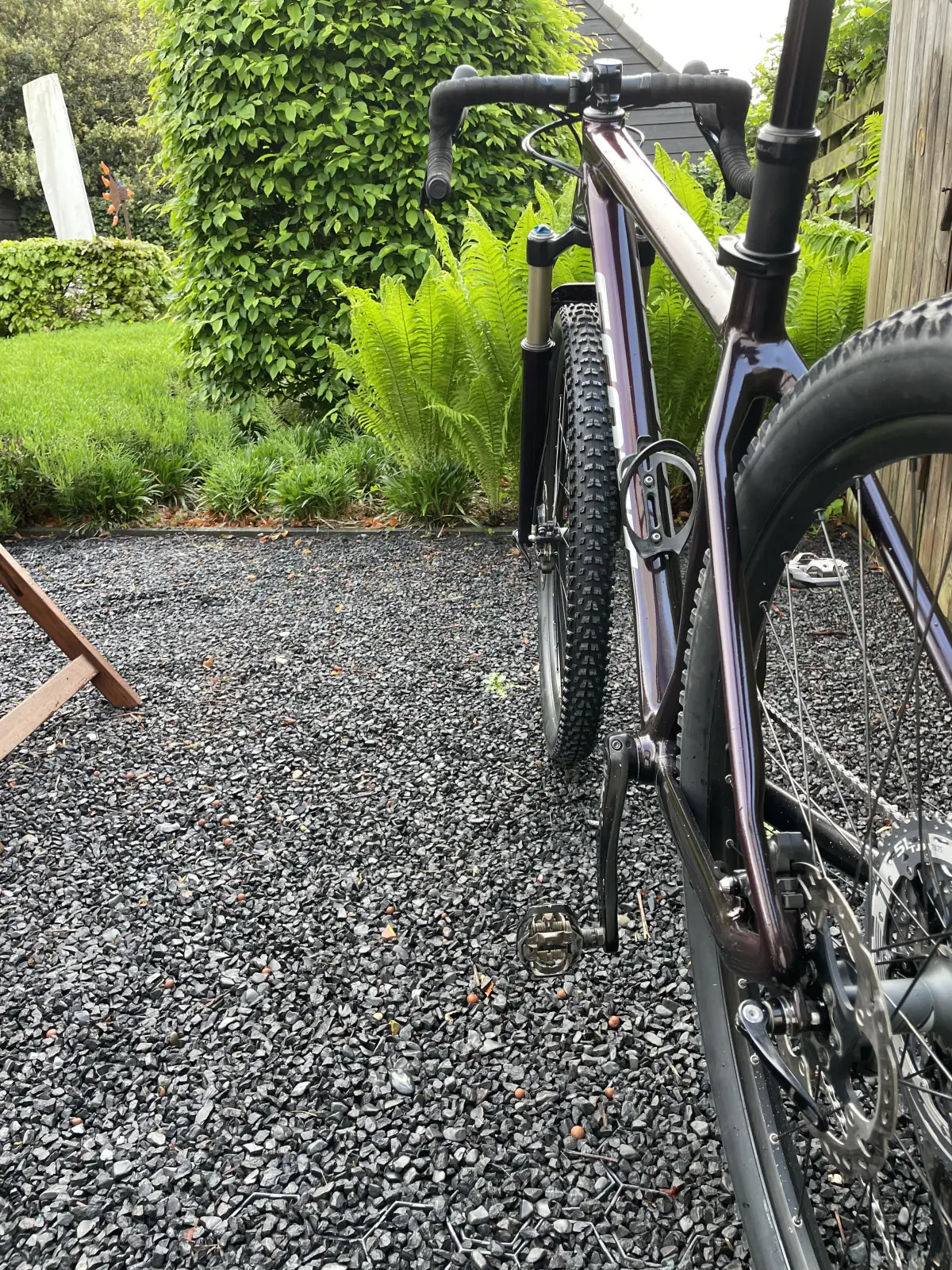
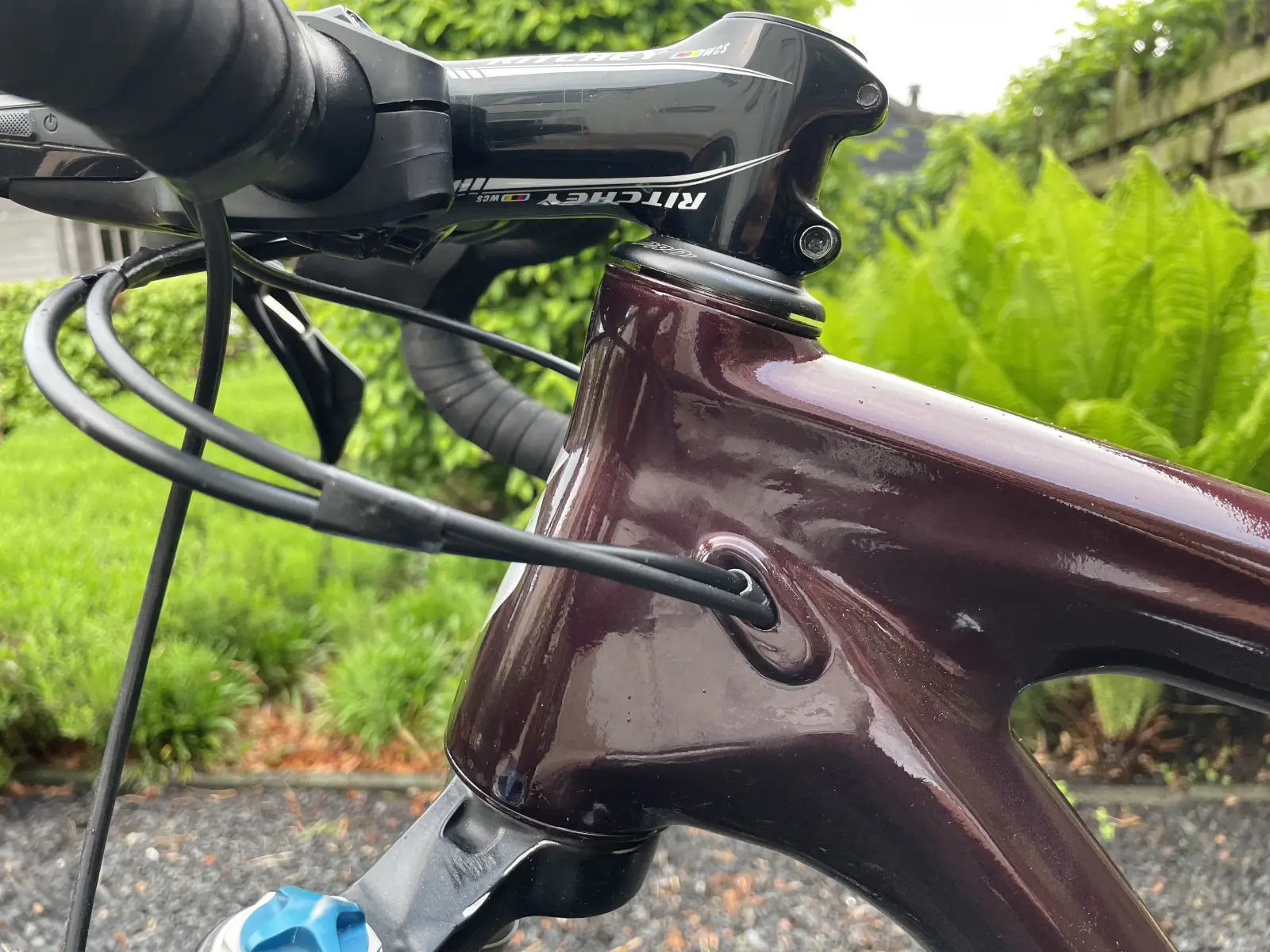
- 38cm Drop bars and GRX 610 12 speed levers replacing the flat bar and MTB shifters.
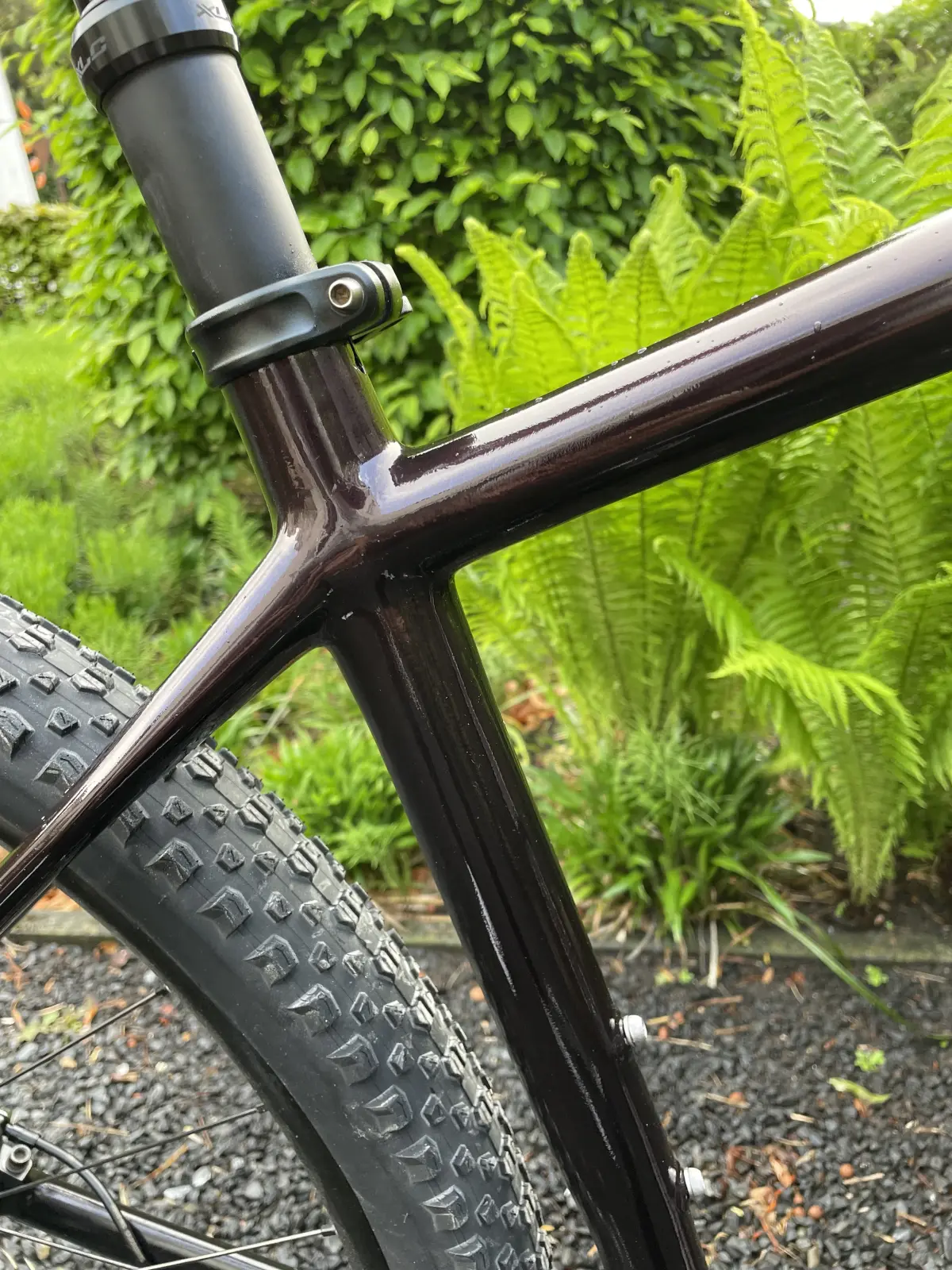
- XLC 170 mm dropper, driven by a small workaround on the GRX 600-series shifter which doesn't officially support droppers.
- Internal cable routing, every cable now runs inside the frame and exits at the bottom bracket. The original external brake-hose mounts are gone.
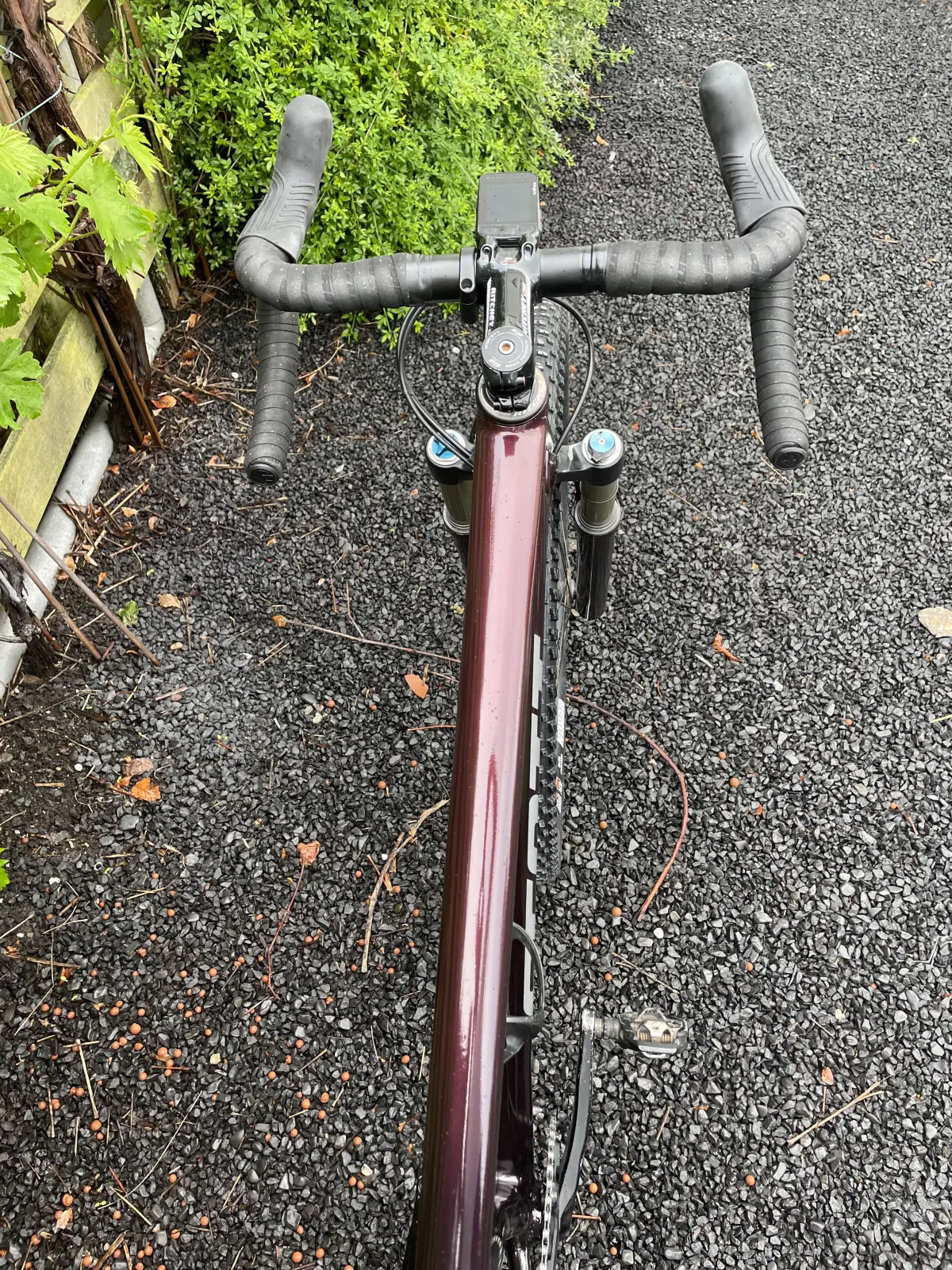
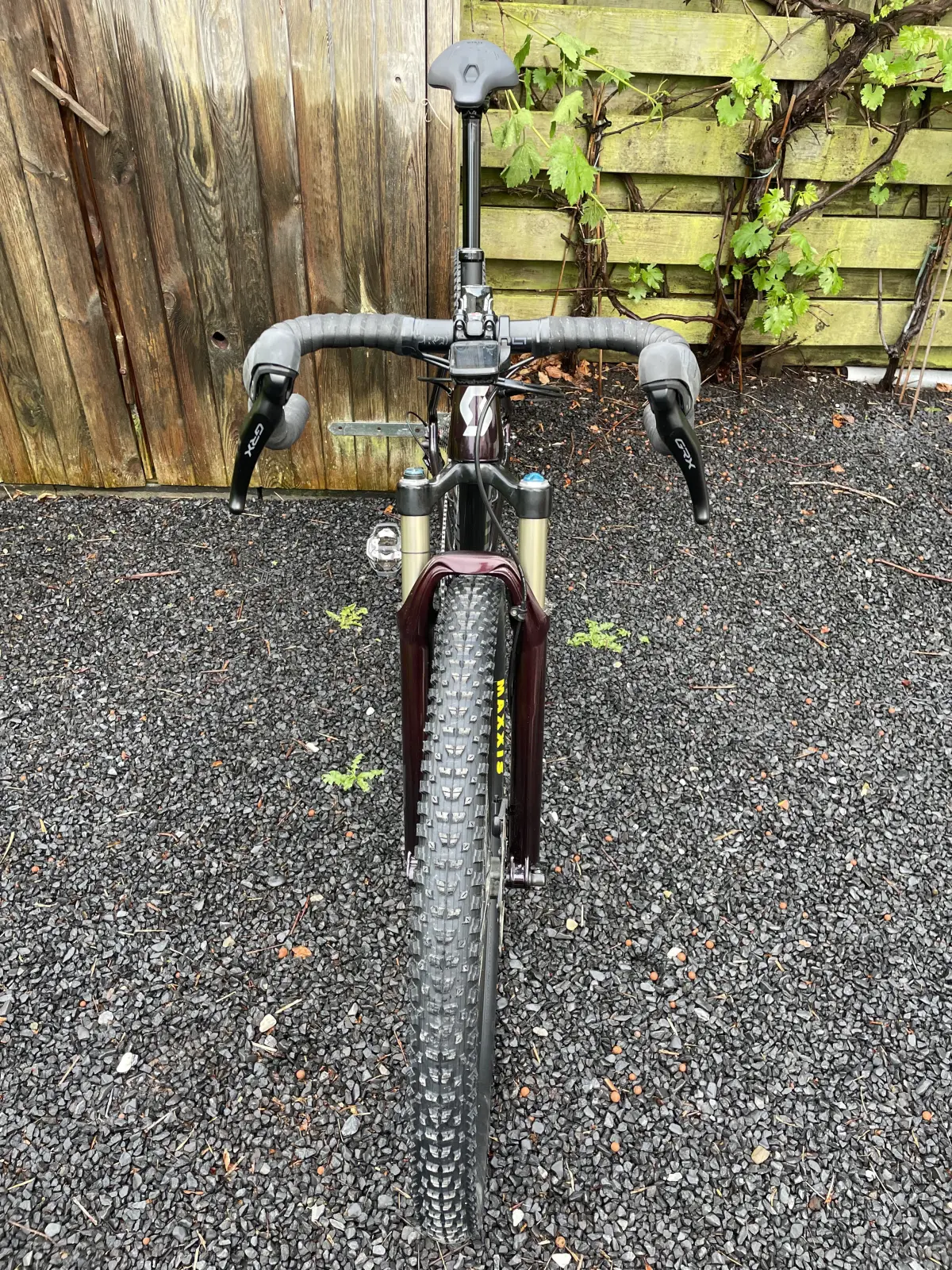
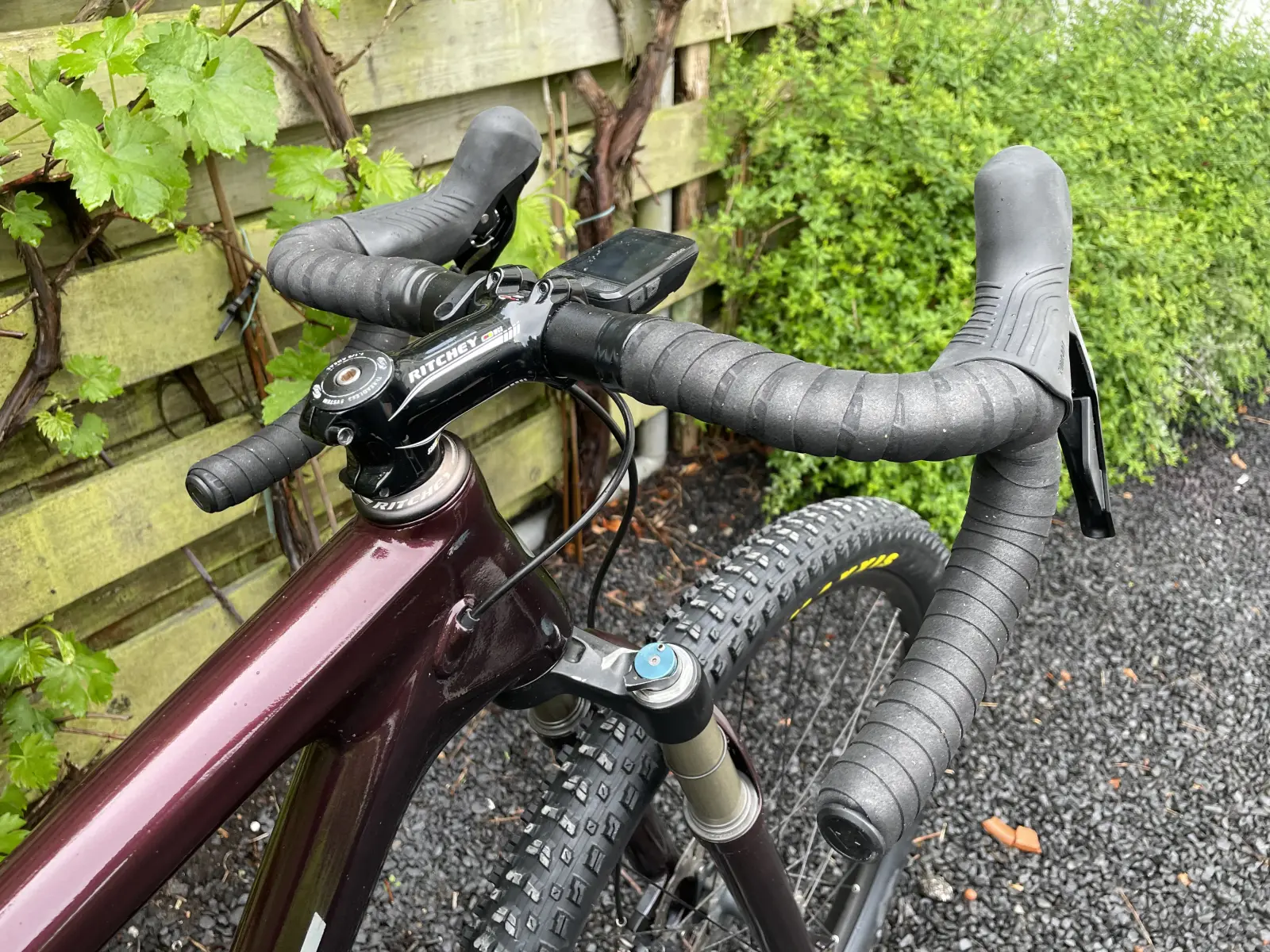
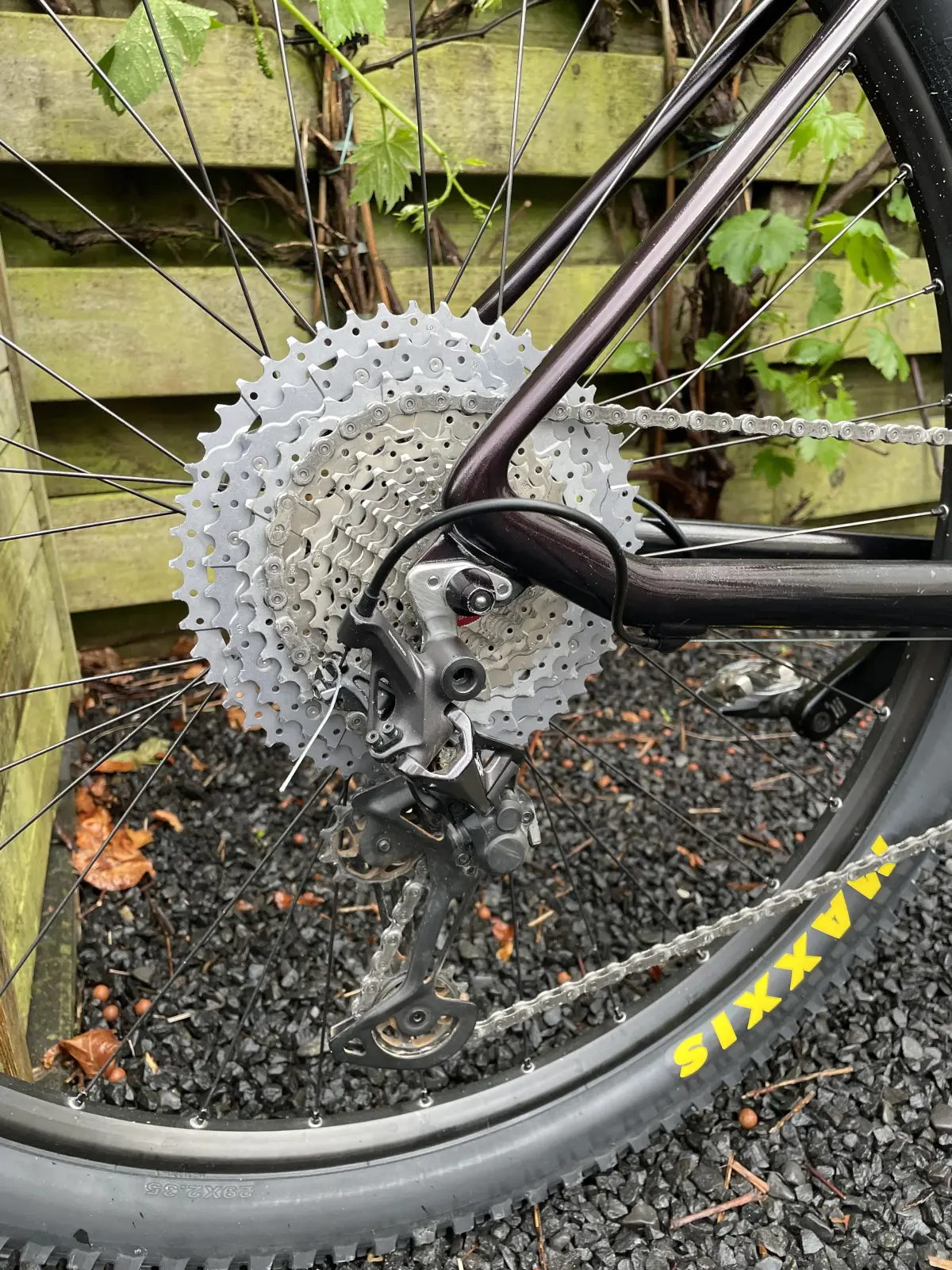
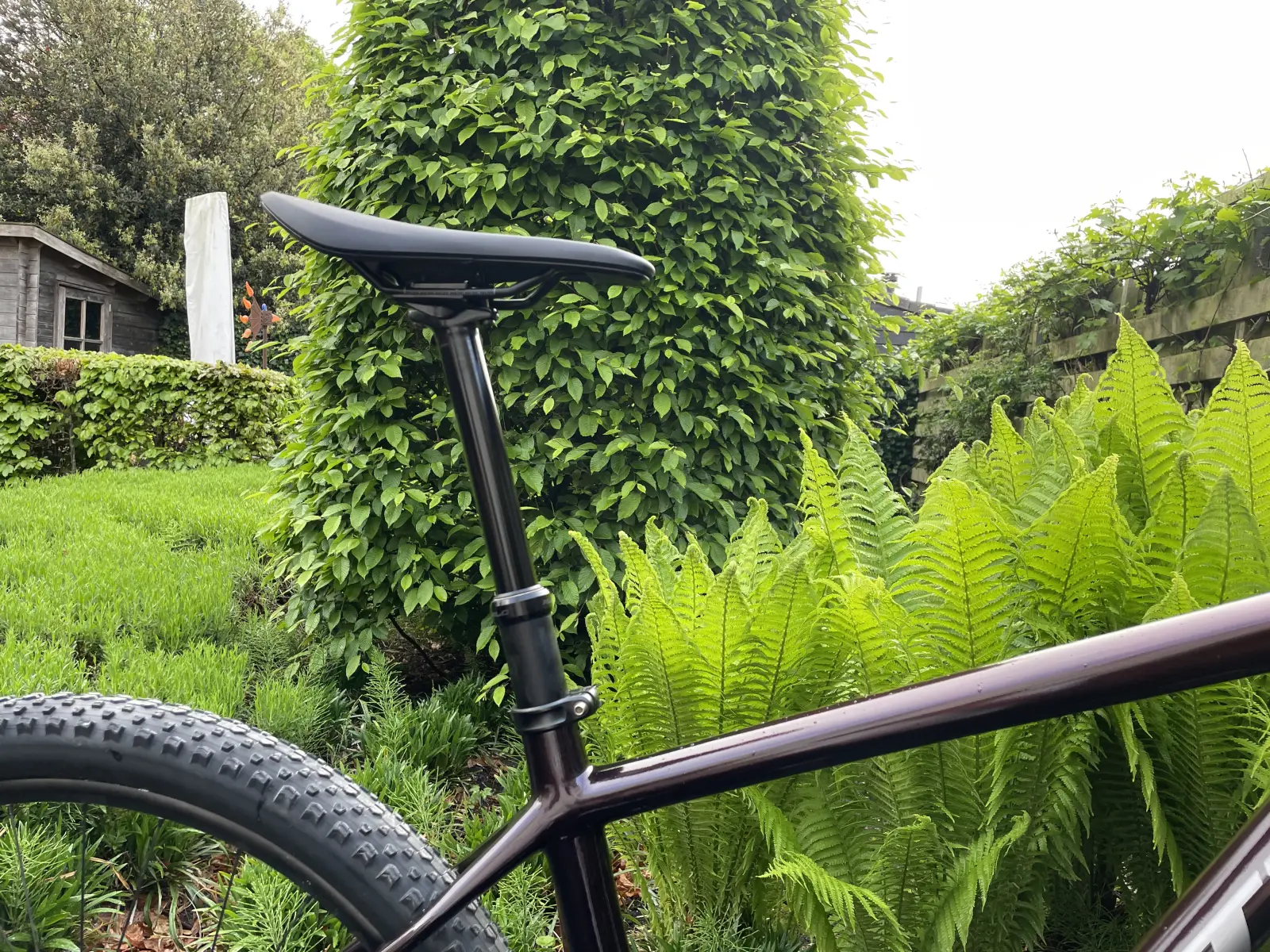
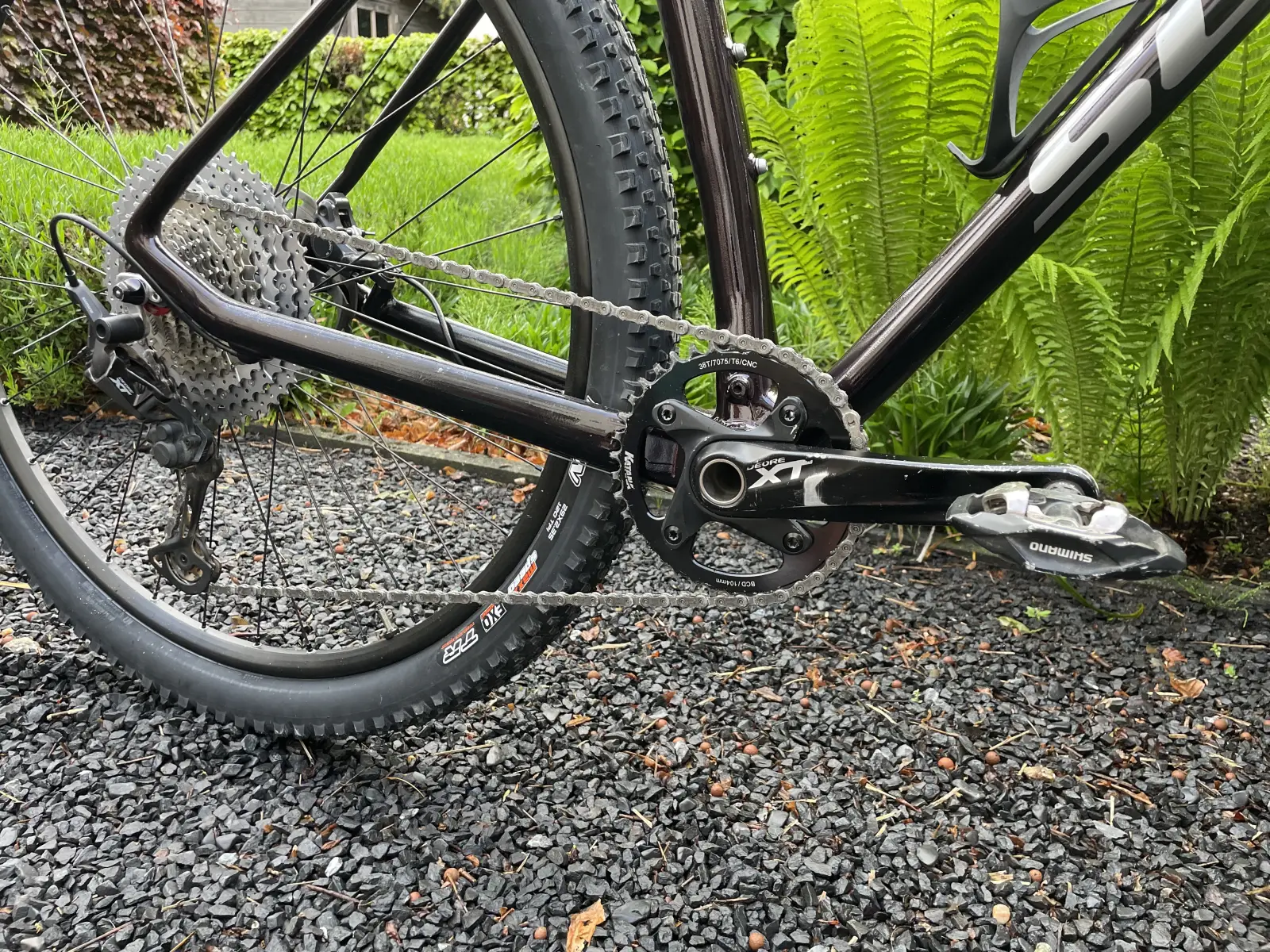
The rear brake hose and rear derailleur cable now share what used to be the front-derailleur port; the dropper cable runs through what used to be the rear-derailleur exit.
What's next
I haven't ridden it properly yet, so I'm keen to see if this fulfills the vision I had going into this project. After that, depending on how it feels:
- A rigid carbon fork, painted to match the frame.
- Reducing travel on the current Fox 100 mm to steepen the head angle and drop the BB.
- Wider rims, eventually, maybe.